
How it works?

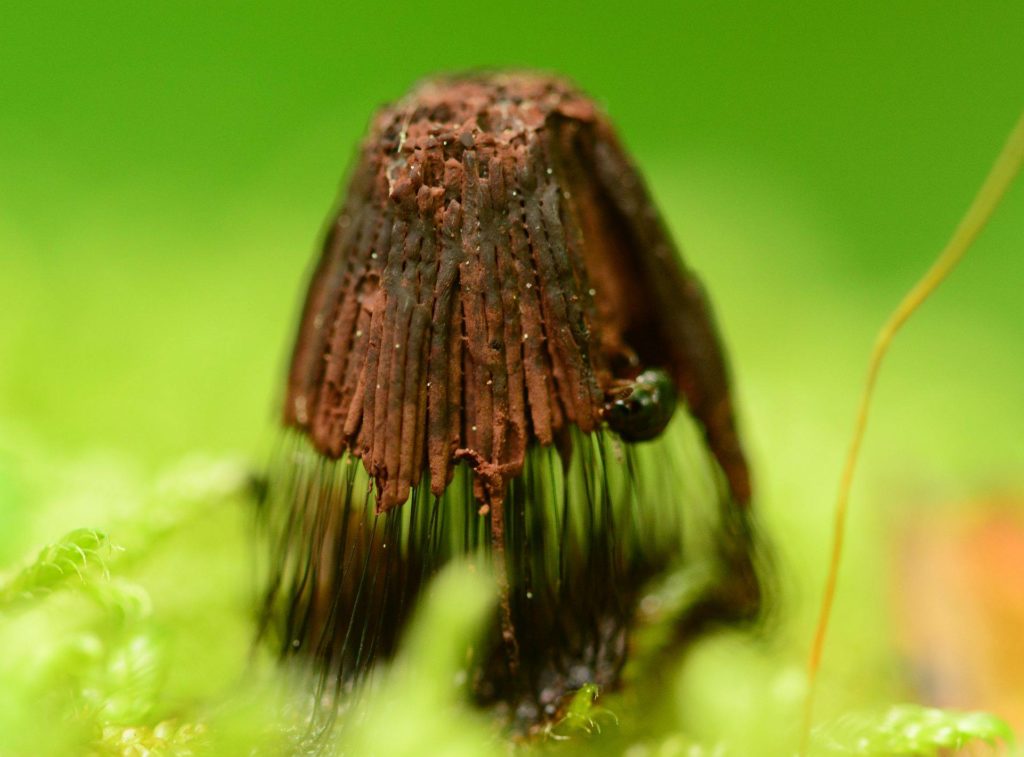
Aerobiological factors are microorganisms and organic products secreted by plants, saturating the forest air. Its composition is completely different from the one we breathe in the city, and it is not just about exhaust gases emitted into the atmosphere, toxic compounds of sulfur and coal or smog. We live in the middle of a biological matryoshka, connected by a network of dependencies between the macro reality over us and the microworlds living in our intestines or on the skin surface, making us healthy, completely not knowing about our existence (on the other hand we did not know anything about them for thousands of years too). We also create such relationships with various groups of species around, usually completely unconsciously. Whether we like it or not, we cannot exist without this net – we would not have survived for even five minutes without products made by other creatures – oxygen, vegetable or animal food. Nobody would decopmposite our faeces, nor fight against fungal infections. So what floats among the trees, affecting our bodies?

Bioaerosol bacteria, fungal hyphae, fragments of algae, spores, pollen. Completely different than in the city, typical for natural environments, inseparably connected with specific tree species, biotopes. You can not find them at the supermarket. The greater the biodiversity - the better the microbiotic wealth. In breeding forests, where we meet only pines or spruces of the same age – we still can find tchem but not in such abundance. There is no dead wood and we think maybe that it is nice, because nothing ‘is rotting’, but such an environment is less optimal for a rich flora of microorganisms. Where can you find them? On leaves, needles, trunks, dead wood, in soil. From there, with air or through the intestinal tract they can enter our bodies. According to the theory of "excessive sterility" too little exposure to natural microbiota along with the abuse of antibiotics and excessive hygiene affect the development of allergies and weaker immunity.Bioaerosol bacteria, fungal hyphae, fragments of algae, spores, pollen. Completely different than in the city, typical for natural environments, inseparably connected with specific tree species, biotopes. You can not find them at the supermarket. The greater the biodiversity - the better the microbiotic wealth. In breeding forests, where we meet only pines or spruces of the same age – we still can find tchem but not in such abundance. There is no dead wood and we think maybe that it is nice, because nothing ‘is rotting’, but such an environment is less optimal for a rich flora of microorganisms. Where can you find them? On leaves, needles, trunks, dead wood, in soil. From there, with air or through the intestinal tract they can enter our bodies. According to the theory of "excessive sterility" too little exposure to natural microbiota along with the abuse of antibiotics and excessive hygiene affect the development of allergies and weaker immunity.
Mycobacterium vaccae – an important soil bacterium with which we have contact while walking in the forest, and even gardening, helps fight skin diseases resulting mainly from autoaggression (atopic dermatitis, psoriasis), as well as depression and exhaustion.

Phytoncides (from gr. phyton - plant and lat. caedo - to kill) - are organic substances secreted by various plant species for defense and communication purposes. The term was first introduced in 1928 by a Russian scholar Borys P. Tokin. Many of them are produced by trees, eg conifer α-pinen, β-pinen, limonene or mircen. In our airways, their antibacterial and antiviral potential still works, helping to fight infections through various mechanisms, eg engaging interleukines or other anti-inflammatory agents. They can also have a protective effect on nerve cells, helping the brain work.

Essential oils, like phytoncides, mostly terpenes, also have anti-inflammatory and bactericidal properties. They affect not only the reference of immunity, but also the feeling of relaxation, supporting regeneration after stress, increasing the subjective feeling of comfort, relaxation, and revitalization and contentment.

Air humidity is the content of water vapor in a unit of air volume at a certain temperature and pressure. The forest one is much more stable than the urban one, protecting the respiratory tract and hindering the entry of pathogens through the epithelium lining the mucous membranes. Humidity in cities often ranges from extreme drought to a climate reminiscent of dense jungle air after a heavy downpour. Water, having nowhere to soak, intensively evaporates, which also leads to feelings of breathlessness and discomfort and is not physiological for us. Urban air usually dries mucous membranes, facilitating colds, inhalation inhalants and skin diseases. In the forest, our outer layers naturally moisturize and revive.

Other important factors include air ionization, which in the forests has higher, healthier negative values, sunshine (richer in the spectrum of blue and green light, beneficial to health, inducing a state of relaxation) and less exposure to wind, noise and fluctuations of environmental factors.

The nearby flowing water, additionally enhancing the relaxing qualities of the forest, sends information to our brain: “In the neighborhood you will satisfy your thirst and find food, the trees will provide you with shelter. You are safe, you can rest. Relax.”